
The gig economy has opened the doors for millions of Africans to earn a living through flexible platforms like Bolt, Uber, Rida, inDrive, Gokada, and Jumia Logistics. From ride-hailing to delivery, these platforms promise autonomy and daily income — but they also come with serious safety risks.
Drivers often work long hours, deal with unknown passengers or locations, and navigate congested roads with minimal support. Whether you’re behind the wheel of a car, bike, or van, your personal safety — and that of your passengers or parcels — should always come first.
In this post, we’ll explore 10 essential safety tips for anyone working as a driver in Africa’s growing gig economy, from physical security to digital protection.
1. Verify All Trip Details Before You Begin
Before accepting any ride or delivery request, double-check the trip details. Scammers often manipulate addresses, and customers may input wrong pickup points or vague locations.
How to Stay Safe:
- Always confirm pickup and drop-off locations before starting the trip.
- For ride-hailing, verify the rider’s name and profile photo.
- For deliveries, ask the sender to confirm what’s inside the parcel if it’s not sealed.
Tip: Avoid accepting requests from unverified users or trips with multiple detours, especially in unfamiliar neighborhoods or late hours.
2. Install a Dash Cam or Body Cam
A dashboard camera can be a lifesaver in the event of an incident. From accidents to disputes with riders or law enforcement, recorded footage provides evidence and protects your reputation.
Benefits of a Dash Cam:
- Acts as a deterrent for criminal behavior.
- Helps resolve misunderstandings during a trip.
- Can be submitted to law enforcement or platform support in case of false accusations.
Affordable Options in Africa:
- Xiaomi, Anker, and 70mai make budget-friendly dash cams.
- Some bike riders use GoPro-style chest cams for added security.
Tip: Be sure to inform passengers if a camera is recording — for transparency and legal reasons.
3. Limit Late-Night Trips — Especially in Isolated Areas
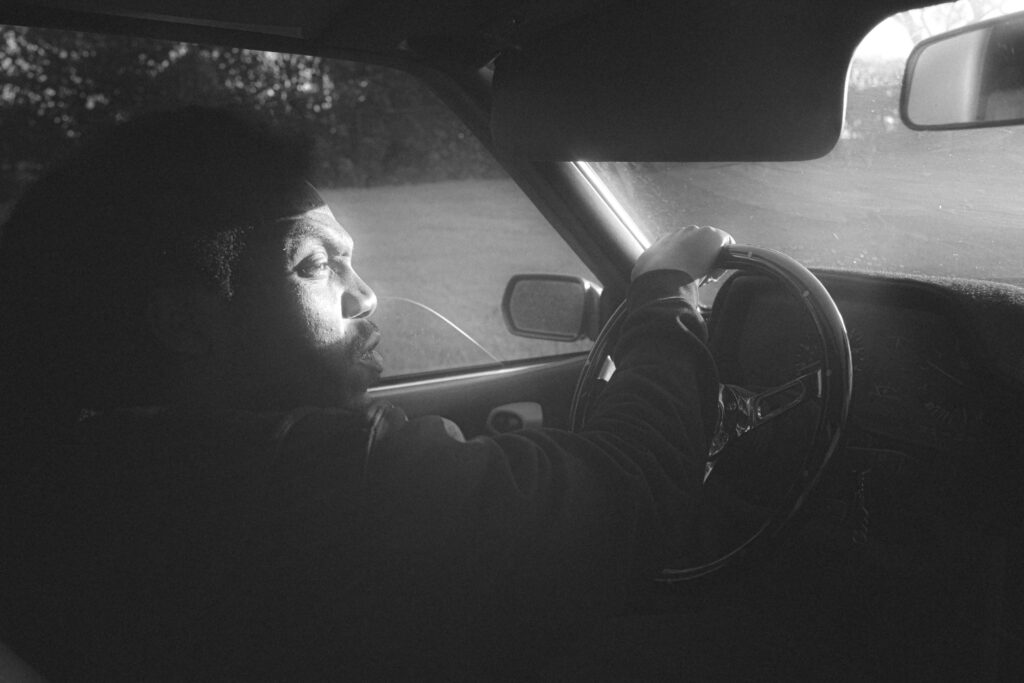
Night trips may offer higher fares or bonuses, but they also increase your risk. Robbery, violence, and road accidents are more likely to happen after dark, especially in low-traffic zones.
How to Protect Yourself:
- Avoid operating in isolated neighborhoods or highways after midnight.
- If you must drive late, focus on well-lit and busy areas.
- Enable emergency features in your ride-hailing app, like SOS buttons.
Tip: Always keep your phone charged, and avoid turning off location services at night — someone should always be able to trace your route.
4. Keep Emergency Contacts on Speed Dial
You should always have at least three emergency numbers saved and ready — family, platform support, and local authorities.
What to Do in a Crisis:
- Use the emergency call feature in Bolt, Uber, or inDrive apps.
- Keep physical notes in the glove compartment in case your phone dies.
- Notify someone whenever you’re going on a long-distance trip.
Tip: In Nigeria, dial 112 for national emergency services. In Kenya, use 999. Always know your local equivalent.
5. Use a Reliable Navigation App with Traffic and Security Data
Smart route planning is not just about avoiding traffic — it’s about avoiding unsafe zones and road hazards.
Top Navigation Apps:
- Google Maps: Offers real-time traffic updates and alternate routes.
- Waze: Allows user-submitted updates on roadblocks, accidents, and police activity.
- Here WeGo: Works well even in low-data areas.
Safety Features to Activate:
- Enable voice commands so you can drive hands-free.
- Check for road condition alerts or user comments on routes.
Tip: Study the route before you start, and avoid blindly following GPS into narrow alleys or high-risk areas.
6. Secure Your Vehicle and Belongings
Drivers — especially bike riders — are often targeted for vehicle theft or robbery. Simple preventive measures can make you less of a target.
Security Measures:
- Install a steering lock or hidden kill switch.
- Don’t leave valuables like phones, money, or parcels unattended.
- Always lock your doors, even while waiting at pickup points.
- For bikes, use disc locks or GPS tracking devices.
Tip: If you’re operating a rented or leased vehicle, make sure you understand the insurance terms in case of theft.
7. Stay Alert and Avoid Fatigue
Many gig workers push themselves to drive for 10–15 hours per day to meet targets. This is dangerous and often leads to accidents.
How to Avoid Fatigue:
- Take short breaks every 2–3 hours.
- Avoid heavy meals before long shifts.
- Sleep at least 6 hours daily — your reaction time depends on it.
Tip: Some platforms offer driver reminders or in-app rest alerts. Make use of them.
8. Learn Basic Self-Defense and First Aid
You don’t need to be a martial artist, but having basic defense skills can give you confidence and help you stay calm under pressure.
What You Should Know:
- How to block or deflect physical attacks.
- What to do during a carjacking or robbery attempt.
- How to treat minor cuts, burns, or road rash.
Training Resources:
- YouTube tutorials for bike riders and drivers.
- NGOs or community safety programs in cities like Lagos, Accra, or Nairobi.
- First-aid courses from the Red Cross or St. John Ambulance.
Tip: Carry a mini first aid kit and pepper spray (where legal).
9. Keep Your Platform Profile Clean and Updated
Whether you drive for Uber, Bolt, or Gokada, your driver rating affects how customers treat you and how much you earn.
Best Practices:
- Dress neatly and act professionally.
- Keep your vehicle clean and well-maintained.
- Communicate clearly with riders or delivery recipients.
Why This Matters:
- High ratings attract better-paying customers.
- Some platforms suspend low-rated drivers without warning.
- In disputes, your profile history serves as your defense.
Tip: Ask satisfied customers to leave reviews — this boosts your score and builds trust.
10. Protect Your Digital and Financial Information
Being a gig worker means you’re constantly online — sharing personal details, using mobile banking, and relying on apps. That also makes you a target for fraud, scams, and account hacks.
Cyber Safety Tips:
- Use strong passwords for all your apps and banking tools.
- Don’t share OTPs or platform login codes with anyone — not even “support agents”.
- Avoid clicking on random links promising free bonuses or fuel vouchers.
- If possible, use a separate phone or SIM for work-related apps and calls.
Tip: Always log out from your accounts if you use someone else’s phone, and report any suspicious messages to your platform’s help center immediately.
Conclusion: Your Safety is Your Greatest Asset
Driving in the gig economy can be financially rewarding and personally fulfilling, but it also comes with risks that can’t be ignored. Whether you’re moving people, food, parcels, or packages — your health, security, and peace of mind must always come first.
By following these 10 safety tips, you’ll not only reduce your chances of harm — you’ll become a more confident, professional, and respected gig driver. And that translates to better ratings, more referrals, and higher income.
Remember, you’re not just a driver — you are a mobile entrepreneur, and your safety is your business’s most important investment.
Affiliate Disclaimer: This post contains referral links. If you use them to sign up for a driving platform or product, we may earn a small commission at no cost to you. This helps us continue creating useful content for gig drivers.
Disclaimer: All information in this post is intended for general guidance only. Always follow local laws, platform policies, and professional advice for specific safety matters.